In today’s digital age, social media has become an indispensable tool for businesses, big and small. Small businesses, in particular, can reap enormous benefits from well crafted social media marketing strategies. With platforms like Instagram, LinkedIn, and Facebook, it’s not just about posting random content it’s about engaging your audience, creating value, and building a brand that stands out. In this guide, we’ll explore how to leverage these platforms for effective marketing and share best practices to help your business thrive.
Why Social Media Matters for Small Businesses
Social media marketing is no longer optional for small businesses; it’s a necessity. With over 4.7 billion active social media users worldwide, the potential to reach your target audience is greater than ever before. But it’s not just about having an account it’s about using the platform strategically to build relationships, boost sales, and strengthen your brand presence.
Here are a few reasons why social media marketing should be a priority for small businesses:
- Increased Reach and Visibility: Social media allows businesses to connect with a wider audience, even beyond geographic boundaries.
- Targeted Marketing: Platforms like Facebook and Instagram offer advanced targeting tools to help businesses reach their ideal customers.
- Brand Building: A consistent social media presence helps small businesses create and maintain a strong brand identity.
How you can use Instagram, LinkedIn, and Facebook effectively for your small business marketing?
Instagram: The Power of Product Images and Visual Content
Instagram is arguably the most visually driven social media platform, making it the perfect tool for businesses that want to showcase their products or services through stunning visuals. Instagram marketing is essential for businesses that rely heavily on product images or want to create an aspirational lifestyle around their brand.
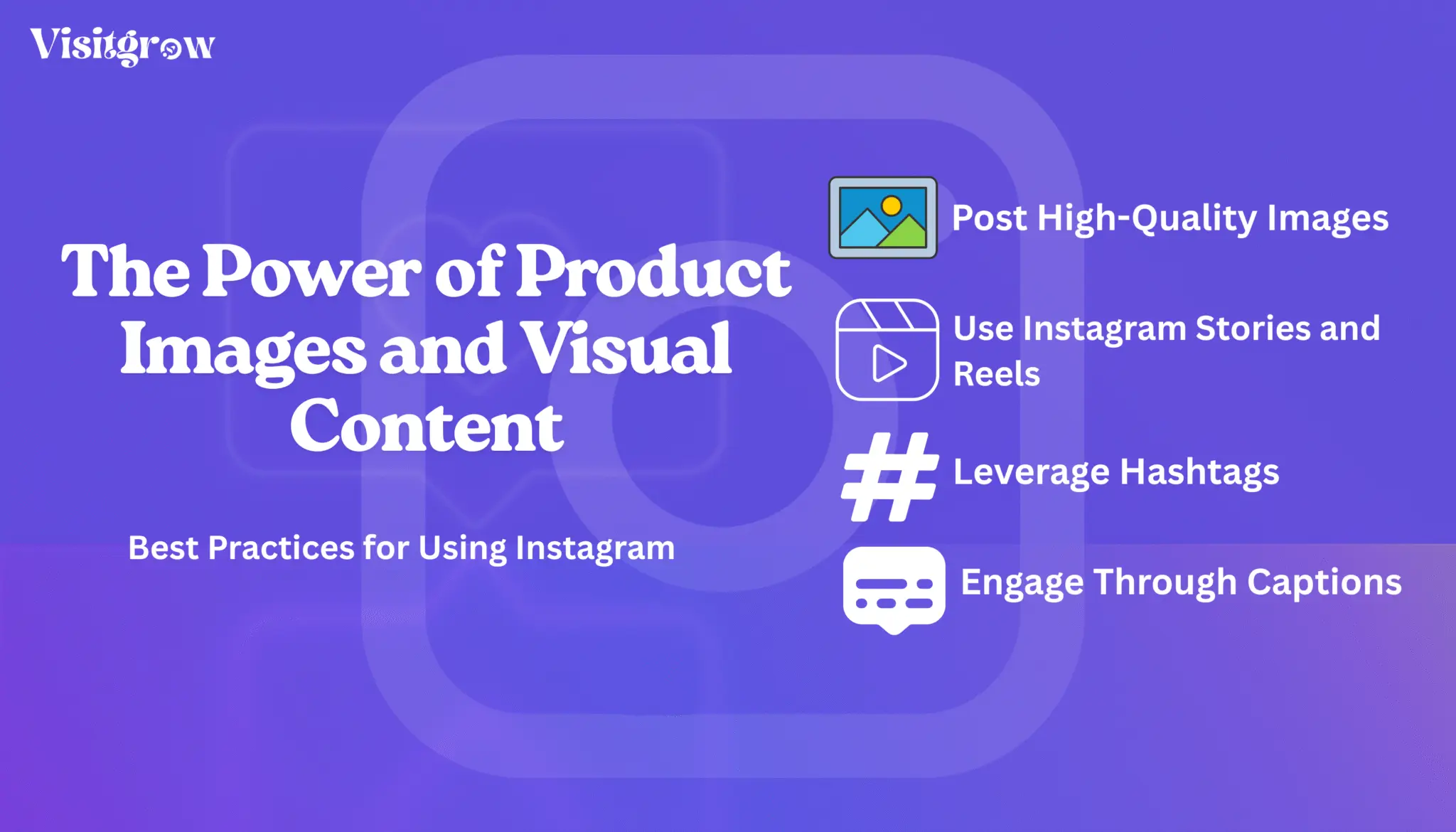
Best Practices for Using Instagram
- Post High-Quality Images: The first step to making a mark on Instagram is using high-quality, engaging images. Whether it’s a product shot, behind-the-scenes photo, or user-generated content, make sure the visuals align with your brand’s aesthetic.
- Use Instagram Stories and Reels: These features are designed for engagement. Use Instagram Stories to showcase limited-time offers, events, or customer testimonials. Reels, on the other hand, allow you to create short, engaging videos to showcase your products or services in action.
- Leverage Hashtags: Research and use relevant hashtags to increase the visibility of your posts. Hashtags help your content get discovered by users who are interested in your products or services. Aim for a mix of popular and niche-specific hashtags.
- Engage Through Captions: Your captions should tell a story or ask a question that encourages engagement. A well-crafted caption can help drive traffic to your website, increase likes, and get comments from followers.
- User-Generated Content: Encourage your customers to post photos and tag your brand. This type of content not only builds trust but also serves as authentic social proof, which can influence potential buyers.
LinkedIn: Establishing Professional Credibility and Connections
While Instagram is all about visuals, LinkedIn focuses on professionalism, networking, and thought leadership. LinkedIn marketing is invaluable for small businesses, especially those in the B2B sector or industries like real estate, consulting, or tech.
Best Practices for LinkedIn Marketing
- Optimize Your Company Profile: Your LinkedIn company page should clearly reflect your business’s mission, services, and goals. Make sure it’s complete with your company logo, a compelling description, and relevant contact information.
- Post Thoughtful Articles and Updates: Sharing articles, blog posts, and updates related to your industry can help position your business as a thought leader. LinkedIn is a platform where professionals go to stay updated on trends, so make sure your content provides value.
- Leverage LinkedIn Groups: Joining and engaging in LinkedIn Groups related to your industry is a great way to network with like-minded professionals. You can share knowledge, ask questions, and even promote your business in a non-salesy way.
- Use LinkedIn Ads for Lead Generation: LinkedIn Ads are a powerful tool to target a professional audience. Whether you want to generate leads, promote a product, or drive traffic to your website, LinkedIn Ads can help you achieve your goals.
- Networking and Building Relationships: LinkedIn isn’t just about self-promotion; it’s about building professional relationships. Engage with other professionals, participate in discussions, and connect with potential clients, partners, or collaborators.
Facebook: Creating a Community and Engaging with Customers
Facebook is the most widely-used social media platform, making it essential for small businesses. Unlike Instagram, which focuses more on visual content, Facebook is a place for in-depth engagement, community building, and customer interaction.
Best Practices for Facebook Marketing
- Create a Business Page: Your Facebook business page should be fully optimized. Include detailed information about your business, such as location, hours, contact details, and services offered. Use high-quality visuals and create an engaging cover photo to make your page stand out.
- Post Regularly: Consistency is key on Facebook. Post a mix of content, such as product promotions, industry news, and engaging questions. Facebook’s algorithm rewards businesses that post regularly and engage with their audience.
- Use Facebook Groups: Facebook Groups are a great way to foster a sense of community and engage with your customers on a deeper level. You can create your own group or participate in relevant groups within your industry.
- Utilize Facebook Ads: Facebook offers one of the most robust advertising platforms available. You can run Facebook Ads to target specific demographics, locations, and interests. Whether you’re running a promotional campaign or increasing brand awareness, Facebook Ads can drive impressive results for small businesses.
- Customer Service and Engagement: Facebook allows you to engage directly with your customers through comments, messages, and reviews. Use the platform to address customer concerns, answer questions, and thank loyal customers for their support.
Boost Visibility & Revenue with Our Activity-Based cost Driven Digital Marketing Services.
Cross-Platform Strategies for Maximum Impact
Each social media platform serves a unique purpose, but combining efforts across Instagram, LinkedIn, and Facebook will help you create a more comprehensive and effective social media strategy. Here’s how you can integrate your approach across all platforms:
- Repurpose Content: Create content that works across all platforms. For example, a product image shared on Instagram can also be featured on Facebook, while an article shared on LinkedIn can be promoted with a link on Instagram Stories.
- Consistency in Branding: Whether you’re on Instagram, LinkedIn, or Facebook, ensure that your branding (logos, colors, voice, and style) is consistent. This helps build a recognizable identity across platforms.
- Analytics and Optimization: Use the analytics tools provided by each platform to track performance. Instagram Insights, LinkedIn Analytics, and Facebook Insights can help you determine what content resonates most with your audience, allowing you to fine-tune your strategy.
Conclusion: Take Action and Grow Your Business
The proper way to use social media for your small business isn’t about being everywhere it’s about using the platforms that align with your goals. Instagram helps you showcase your products visually, LinkedIn positions you as a professional in your industry, and Facebook builds a community of loyal customers. By following the best practices for each platform and cross-promoting content, you’ll be well on your way to growing your small business online.
Start with a strategy, stay consistent, and monitor your results to see how your social media marketing efforts are paying off. Your business can thrive by using social media effectively to engage, build relationships, and drive sales.
FAQ: Social Media Marketing for Small Businesses
Not even close. AI removes repetitive tasks sThe frequency of posting depends on the platform and your audience. For Instagram, aim to post at least 3-4 times a week, with Stories posted daily. On Facebook, posting 3-5 times a week is ideal, while on LinkedIn, aim for 2-3 posts per week. Consistency is key to staying top-of-mind with your audience.o marketers can focus on creativity, strategy, and storytelling.
It depends on your business goals and audience. If your business is product-focused, Instagram is ideal for showcasing images. LinkedIn works best for professional networking and B2B businesses, while Facebook is great for community building and customer interaction. Start with 1-2 platforms that align with your business objectives, and then expand to others as your strategy evolves.
Use the built-in analytics tools provided by each platform—Instagram Insights, Facebook Insights, and LinkedIn Analytics. Key metrics to track include engagement (likes, comments, shares), reach, click-through rates (CTR), website traffic, and conversions (sales or leads). Analyzing these metrics will help you understand what’s working and refine your strategy.
For Instagram, focus on high-quality product images, behind-the-scenes content, customer testimonials, and lifestyle shots. You can also use Instagram Reels and Stories for more dynamic, time-sensitive content. Ensure that your content is visually appealing and tells a story that resonates with your audience.
LinkedIn is an excellent platform for B2B marketing, lead generation, and building professional connections. By sharing valuable content, engaging with your network, and showcasing your expertise, you can establish credibility and generate potential business opportunities. Additionally, LinkedIn Ads can help you target a professional audience for lead generation and sales.
Yes, Facebook Ads are a powerful tool for driving traffic, generating leads, and promoting your products or services. You can target specific demographics, interests, and behaviors to ensure your ads reach the right audience. Experiment with different ad types (carousel ads, video ads, etc.) to see what works best for your business.
Engage with customers by responding promptly to comments and messages, running polls or surveys, asking questions, and sharing valuable content. Facebook Groups are also a great way to foster a sense of community and interact with your customers more personally. Remember to keep the tone friendly, approachable, and aligned with your brand voice.